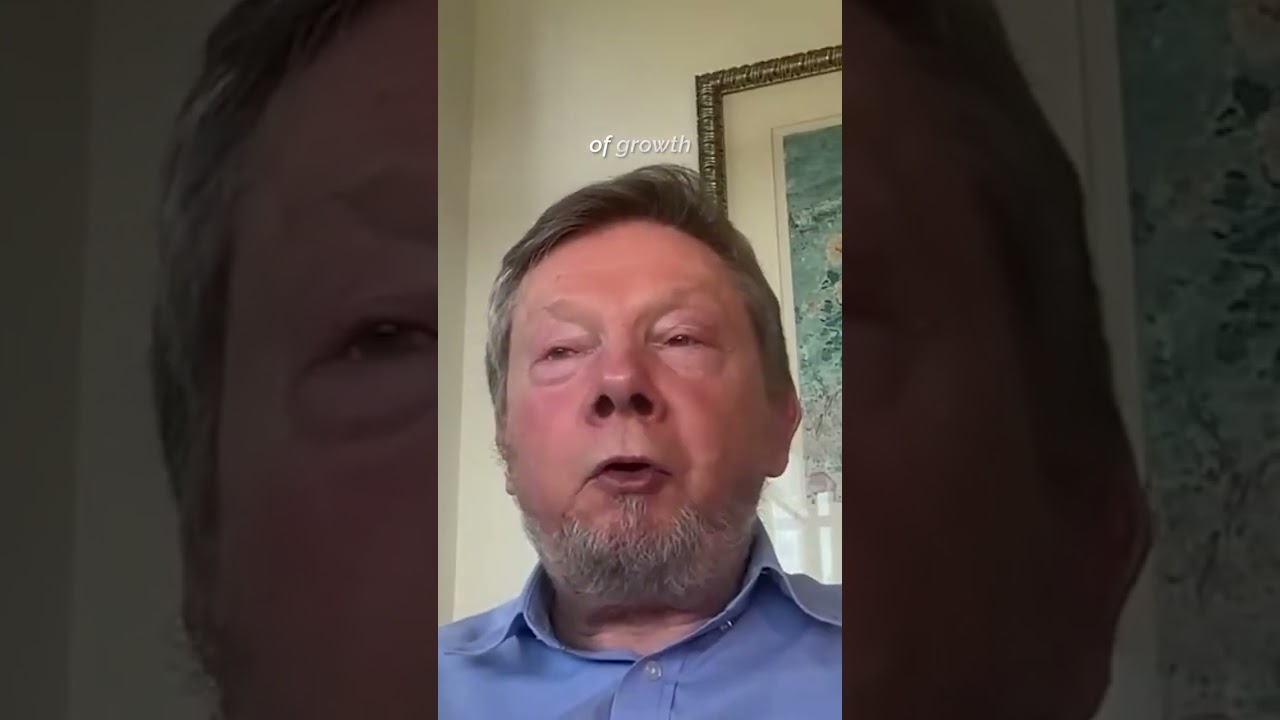
Preethaji guides a 54-minute tapas (disciplined spiritual practice) of 1008 repetitions of the Ekam mantra, a sacred Sanskrit sound that serves as a gateway to the field of divine consciousness. The practice is rooted in the understanding that the mantra operates not merely as words but as a vibrational frequency that dissolves the boundary between the individual self and universal oneness, opening practitioners to mystical experiences and direct contact with the divine dimension of existence.
What is the Ekam Mantra and Its Purpose?
The Ekam mantra is a potent Sanskrit invocation that carries the meaning of oneness and unity at its core. In the practice Preethaji facilitates, participants recite this mantra 1008 times—a number itself significant in Hindu and yogic traditions, representing completeness and cosmic cycles. The word "Ekam" translates to "one" in Sanskrit, but its significance extends far beyond linguistic meaning. When chanted with intention and awareness, the mantra functions as a bridge between individual consciousness and the unified field of divine reality.
Tapas, the Sanskrit term for the structured discipline of this practice, literally means "heat" or "austerity." In this context, tapas refers to the focused, sustained effort of repetitive mantra recitation. Rather than being punitive or merely difficult, tapas generates an internal heat—a transformative friction between the habitual mind and the deeper layers of consciousness that the mantra awakens. The 1008 repetitions create a container of concentrated intention, allowing practitioners to move beyond intellectual understanding into direct experiential communion with the oneness the mantra represents.
How Does Mantra Repetition Open the Field of Divine?
The mechanism by which mantra practice opens consciousness to the divine operates on several levels. First, there is the vibrational dimension: Sanskrit mantras are believed to carry specific frequencies that resonate with corresponding states of consciousness. The Ekam mantra, by its very utterance, begins to attune the nervous system and subtle body to the frequency of divine presence. This is not metaphorical but energetic—sound vibration has measurable effects on the physical and energetic anatomy according to yogic physiology.
Second, there is the intentional dimension. As a practitioner repeats "Ekam," they are not simply producing sound; they are directing consciousness toward the reality of oneness. Each repetition is an act of remembrance, a turning of awareness toward the truth that all apparent separation is ultimately illusory. The mind, which ordinarily oscillates between desire and aversion, attachment and rejection, gradually settles into the space of undivided awareness that the mantra invokes.
Third, there is the cumulative effect of sustained practice. The 1008 repetitions are not arbitrary. As the practice deepens through the session, the momentum builds—individual breaths and utterances begin to merge into a continuous stream of consciousness. Practitioners report that the sense of "I am doing the practice" gradually dissolves, and instead there emerges the experience of the practice doing itself, of consciousness witnessing its own undivided nature through the vehicle of the mantra.
What Mystical Experiences Can Arise During Ekam Practice?
Preethaji's description of the Ekam mantra as opening practitioners to "magical mystical happenings" points to the range of non-ordinary experiences that can unfold during deep mantra practice. These are not hallucinations or fantasies but genuine shifts in perception and consciousness that occur as the ordinary mind's control relaxes and deeper dimensions of reality become accessible.
Such experiences may include:
- Dissolution of body boundaries: The sense of the physical form may become porous or translucent, as the practitioner experiences consciousness extending beyond the skin.
- Temporal shifts: Minutes may feel like hours or hours like minutes; the ordinary sense of clock time dissolves into a deeper temporal dimension.
- Visual phenomena: Inner light, geometric patterns, colors, or visions may spontaneously arise as the subtle senses awaken.
- Spontaneous energy movements: Practitioners may feel currents of subtle energy moving through the body, waves of trembling, or involuntary movements that represent the activation and clearing of energetic channels.
- Direct knowing: Sudden clarity or profound understanding about the nature of existence, identity, or one's purpose may emerge without intellectual processing.
- Encounter with divine presence: Some practitioners describe a felt sense of a presence, an overwhelming love or grace, or a palpable sense of being held by something infinitely vast and conscious.
Importantly, these experiences are not the goal of the practice itself but rather markers that the practice is working—that the mantra is indeed opening channels of perception that ordinarily remain closed. The instruction in traditional mantra practice is to witness these experiences without grasping at them or becoming distracted by them, allowing them to arise and pass while the focus returns to the mantra itself.
How Does the Practice of 1008 Repetitions Create a Container for Transformation?
The structure of 1008 repetitions is not incidental but essential to the alchemical work of the practice. In traditional Hindu cosmology, 1008 carries profound significance: it is associated with the 108 names of deities, the 108 breaths recommended for various practices, and the number that represents the completion of a full cycle. When this number is multiplied in the context of mantra recitation, it creates an intensified field of spiritual activity.
The progression through 1008 repetitions also mirrors stages of spiritual awakening. In the beginning, the practice may feel effortful—the mind chatters, distractions arise, and the practitioner must continuously return attention to the mantra. This phase corresponds to the gross level of consciousness, where individual will and effort are still primary. As the practice deepens, the repetitions become more fluid and automatic. The distinction between the one reciting and the mantra itself begins to blur. Finally, in the deeper phases, the practice may enter a state of pure witnessing, where the mantra continues effortlessly and consciousness rests in the unified field that the mantra has opened.
This progression cannot occur without the container provided by the full 1008 repetitions. A shorter practice might open a glimpse, but the extended duration allows the deeper strata of the mind and heart to be touched and integrated. It is through sustained effort over time that the transformation becomes stable and embodied rather than fleeting.
What Role Does Preethaji's Guidance Play in the Practice?
In the guided 1008 repetitions, Preethaji serves not merely as a voice leading a group but as a conscious anchor for the collective field. The presence of a teacher who has realized the truth that the mantra invokes adds a dimension of grace to the practice. As Preethaji chants, their consciousness—stabilized in the oneness the mantra represents—creates a resonance that facilitates practitioners' own opening.
This is not magical thinking but a well-documented principle in contemplative traditions: the consciousness of the teacher radiates outward and creates an energetic environment that supports practitioners' own deepening. Following the teacher's rhythm and joining their voice with the mantra creates a synchronization of consciousness that amplifies the practice's effectiveness. Many practitioners report that when chanting together with an enlightened teacher, they access states of awareness and experiences of unity that might take them much longer to reach on their own.
How Can Practitioners Approach the Ekam Mantra Practice?
For those new to mantra practice, approaching the Ekam mantra requires a balance of commitment and openness. Here are foundational principles:
- Set clear intention: Before beginning, clarify your purpose. Are you seeking to open to divine presence? To experience unity? To heal and transform? The clarity of intention creates a tuning frequency for the practice.
- Create a sacred space: If possible, practice in a clean, quiet environment. Light a candle or incense if that resonates with you. These actions communicate to your deeper mind that you are entering a sacred dimension.
- Find a comfortable seated posture: Sit upright in a position you can maintain for the duration. The spine's verticality allows energy to flow more freely through the subtle channels.
- Synchronize breath and mantra: Let the mantra flow naturally with your breath. There is no need to force a particular rhythm; allow it to find its own cadence.
- Witness without judgment: As you practice, experiences will arise—stillness, movement, emotion, insight, or nothing at all. Receive whatever comes without labeling it as "good" or "bad" meditation. The practice is working regardless of what you perceive.
- Maintain continuity: The cumulative effect builds over time. Consistent practice, whether daily or several times weekly, creates a deepening momentum that single sessions cannot match.
Where to go from here
The Ekam mantra practice is complete in itself, yet it also serves as an entry point into deeper explorations of consciousness and spiritual development. For those drawn to continue, consider:
- Exploring other Sanskrit mantras and their specific frequencies and benefits.
- Learning about the philosophy of Advaita Vedanta, which teaches the absolute oneness underlying apparent multiplicity—the same truth the Ekam mantra awakens.
- Studying the science of pranayama (breath work) to complement and deepen mantra practice.
- Engaging with a qualified teacher or spiritual community for ongoing guidance and support as your practice matures.
- Investigating the experiences that arise during practice through the lens of Kashmir Shaivism or other non-dual spiritual traditions that illuminate the mystical dimensions of consciousness.
The Ekam mantra remains always available—a constant doorway into the field of divine oneness. Each repetition, whether in formal practice or spontaneously throughout the day, returns consciousness to its true nature.