EveryEvent Seattle

Browse All Events

Find every event in Seattle

events

Concerts & Live Music
Festivals
Sports & Recreation
Food & Drink
Arts & Culture
Community
Family & Kids
Nightlife
Comedy
Theater
Popular Destinations
BaliSedonaLos AngelesCosta RicaNew YorkSan FranciscoAustinMiamiJoshua TreeTulum
View All CategoriesView All Destinations

Explore All Features

Powerful tools to grow your events

Platform Features

Smart Dynamic Pricing
Ticket Categories
Assigned Seating
Abandoned Cart Recovery
Visitor Recovery
Donations & Sliding Scale
Affiliate Engine
Ticket Scanner
Coupon Codes
Custom Questions
Ticket Sharing
Upsells & Add-ons
Analytics & Reporting
Email Sequences
Waitlist / Notify / Remind
Explore
Discovery HubArtists & PerformersVenuesKnowledge Base
View All FeaturesAbout Us
PricingBlog
Language
Saved events
Browse All Events

events

Concerts & Live MusicFestivalsSports & RecreationFood & DrinkArts & CultureCommunityFamily & KidsNightlife

Popular Destinations

BaliSedonaLos AngelesCosta RicaNew YorkSan Francisco

Explore

Discovery HubArtists & PerformersVenuesKnowledge Base

Platform Features

Smart Dynamic PricingTicket CategoriesAssigned SeatingAbandoned Cart RecoveryVisitor RecoveryDonations & Sliding ScaleAffiliate EngineTicket ScannerCoupon CodesCustom QuestionsTicket SharingUpsells & Add-onsAnalytics & ReportingEmail SequencesWaitlist / Notify / Remind
View All FeaturesAbout Us
PricingBlog
Log inSign UpEvent Organizers
  • Browse All Events
  • Concerts & Live Music
  • Festivals
  • Sports & Recreation
  • Food & Drink
  • Arts & Culture
  • Community
  • Family & Kids
  • Nightlife
  • All Categories →
  • Portland
  • Vancouver, BC
  • San Juan Islands
  • Olympic Peninsula
  • Leavenworth
  • All Destinations →
  • For Promoters
  • For Artists
  • For Venues
  • For Festivals
  • For Event Spaces
  • For Nonprofits
  • For Bloggers
  • For Speakers
  • Brand Ambassador
  • Case Studies
  • 350K+ Buyer Network
  • Abandoned Cart Recovery
  • Smart Dynamic Pricing
  • Ticket Categories
  • Recurring Events
  • Assigned Seating
  • Affiliate Engine
  • Waitlist / Notify
  • Ticket Scanner
  • Embed Widget
  • Event Syndication
  • Message Center
  • Integrations
  • Reports
  • All Features →
  • About
  • The Ecosystem
  • Blog
  • Glossary
  • Inspiration
  • Help Center
  • Contact
  • API Docs
  • Brand Assets
  • Careers
  • Press
  • Terms of Service
  • Privacy Policy

Events

  • Browse All Events
  • Concerts & Live Music
  • Festivals
  • Sports & Recreation
  • Food & Drink
  • Arts & Culture
  • Community
  • Family & Kids
  • Nightlife
  • All Categories →

Getaways

  • Portland
  • Vancouver, BC
  • San Juan Islands
  • Olympic Peninsula
  • Leavenworth
  • All Destinations →

For Organizers

  • For Promoters
  • For Artists
  • For Venues
  • For Festivals
  • For Event Spaces
  • For Nonprofits
  • For Bloggers
  • For Speakers
  • Brand Ambassador
  • Case Studies

Features

  • 350K+ Buyer Network
  • Abandoned Cart Recovery
  • Smart Dynamic Pricing
  • Ticket Categories
  • Recurring Events
  • Assigned Seating
  • Affiliate Engine
  • Waitlist / Notify
  • Ticket Scanner
  • Embed Widget
  • Event Syndication
  • Message Center
  • Integrations
  • Reports
  • All Features →

Company

  • About
  • The Ecosystem
  • Blog
  • Glossary
  • Inspiration
  • Help Center
  • Contact
  • API Docs
  • Brand Assets
  • Careers
  • Press
  • Terms of Service
  • Privacy Policy
EveryEvent
© 2026 EveryEvent Seattle. All rights reserved.
Inspiration

Down on My Knees: Prayerfor Freedom Through Devotion

Jai Uttal
Jai Uttal
Dec 20, 2010
5 min read

"Down on My Knees" is Jai Uttal's devotional song that uses poetic metaphor and sacred chanting to articulate spiritual longing for freedom. The piece explores the separation between soul and mind, the paradox of freedom through surrender, and the redemptive power of devotional practice. Through vivid imagery—a train carrying the soul and mind in different directions, swans in a lake of blood—Uttal creates a multidimensional meditation on the search for liberation, anchored in the mantra Om Namah Shivaya.

Read · 7 sections

What does devotional surrender mean in spiritual practice?

In "Down on My Knees," Uttal performs a radical act of spiritual vulnerability—literally kneeling and begging for freedom. This posture is not weakness but a foundational practice in many contemplative traditions. By positioning the body and heart in surrender, the devotional practitioner acknowledges both the enormity of the search and the limitation of ego-driven effort. Uttal repeats the phrase "down on my knees crying for freedom" not as repetitive pleading but as a mantra that transforms complaint into prayer. The act of kneeling becomes itself a form of freedom—a liberation from the pretense of control or self-sufficiency.

How does the soul-mind division shape the song's central metaphor?

One of the most striking images in the song is the train that "left the station with two lights on behind"—the blue soul and the red mind traveling in the same direction but as distinct energies. This metaphor points to a central spiritual paradox: the mind and soul do not always align. The mind, conditioned by experience, memory, and fear, may pull toward one destination while the soul yearns for another. Uttal does not present this split as pathological but as something requiring acknowledgment and integration. The song's power lies in naming this division directly, making visible a condition many seekers experience but rarely voice. The soul and mind are on the same train, sharing the journey, yet the colors suggest they carry different frequencies of light.

What role does the Om Namah Shivaya mantra play?

The repeated chanting of "Om Namah Shivaya"—often translated as "I bow to Shiva" or "divine consciousness dwells within me"—provides the song with its anchor and resolution. This mantra appears at the end of each verse, not as an afterthought but as the culmination of the cry for freedom. In Hindu and yogic traditions, this mantra is understood to invoke transcendence and the dissolution of ego boundaries. By placing it after the most raw expressions of need and longing, Uttal suggests that the answer to the search for freedom is already present within the invocation itself. The mantra becomes the threshold: one does not merely ask for freedom while remaining unchanged, but rather calls upon the divine principle that is inseparable from one's own nature. The repetition shifts the emotional register from despair toward acceptance and union.

What spiritual meaning underlies the natural imagery?

Uttal employs surreal, even troubling imagery to convey the complexity of the human condition. A "lake of blood" on which "a pair of swans endlessly make love" creates cognitive dissonance—beauty and suffering coexist. This is not abstract darkness but a lived reality: suffering permeates the world (the lake of blood), yet love and creation (the swans) persist within it. The image suggests that freedom and fulfillment are not the absence of pain but rather the capacity to continue loving, creating, and connecting even while embedded in sorrow. The line "heaven's looking on" adds witness—the sacred sees this paradox and does not turn away. This mirrors a core teaching across many traditions: enlightenment or spiritual freedom does not mean escaping the world's pain but developing a different relationship to it.

How does the opening image set the spiritual tone?

"Time has reversed the acts of the play / The land talks in verse but I don't know what it's trying to say" suggests a condition of confusion and disorientation. The speaker is embedded in a performance—existence itself—but has lost the ability to interpret the script. The land, the earth itself, communicates in "verse," suggesting poetry and indirect meaning, yet comprehension eludes the narrator. This opening establishes the emotional and spiritual crisis from which the song emerges: a state of profound not-knowing paired with the urgency to understand. Rather than beginning with answers, Uttal begins with honest uncertainty. Only from this place of genuine confusion does the plea for freedom arise as something more than intellectual desire—it becomes existential necessity.

What is the relationship between crying and freedom in the song?

The song does not separate tears from liberation. To cry "for freedom" is not to weep about its absence but to actively summon it through emotion and voice. In devotional practice, tears are sacred—they dissolve the boundary between interior feeling and external expression. When Uttal sings "down on my knees crying for freedom," he is not passively lamenting but actively engaging in a practice. The crying becomes prayer; the prayer becomes mantra; the mantra becomes a direct channel to the divine principle invoked through Om Namah Shivaya. This represents a shift in understanding freedom itself: it is not something to acquire through effort alone but something to recognize and invoke through authentic emotional and spiritual presence.

Where to go from here

Listen to the full song and sit with the images Uttal presents—the train, the lake, the swans, the reversed time. Consider where in your own life you experience the separation between soul and mind, between what you know intellectually and what you yearn for spiritually. Explore the mantra Om Namah Shivaya through practice: chanting it aloud, silently, or in meditation, noticing how the invocation shifts your internal state. Research the iconography of Shiva in Hindu tradition to deepen your relationship with what the mantra calls upon. Finally, notice the moments in your own life when surrender and vulnerability have opened doors that effort and control could not. This is the territory the song invites you to explore.

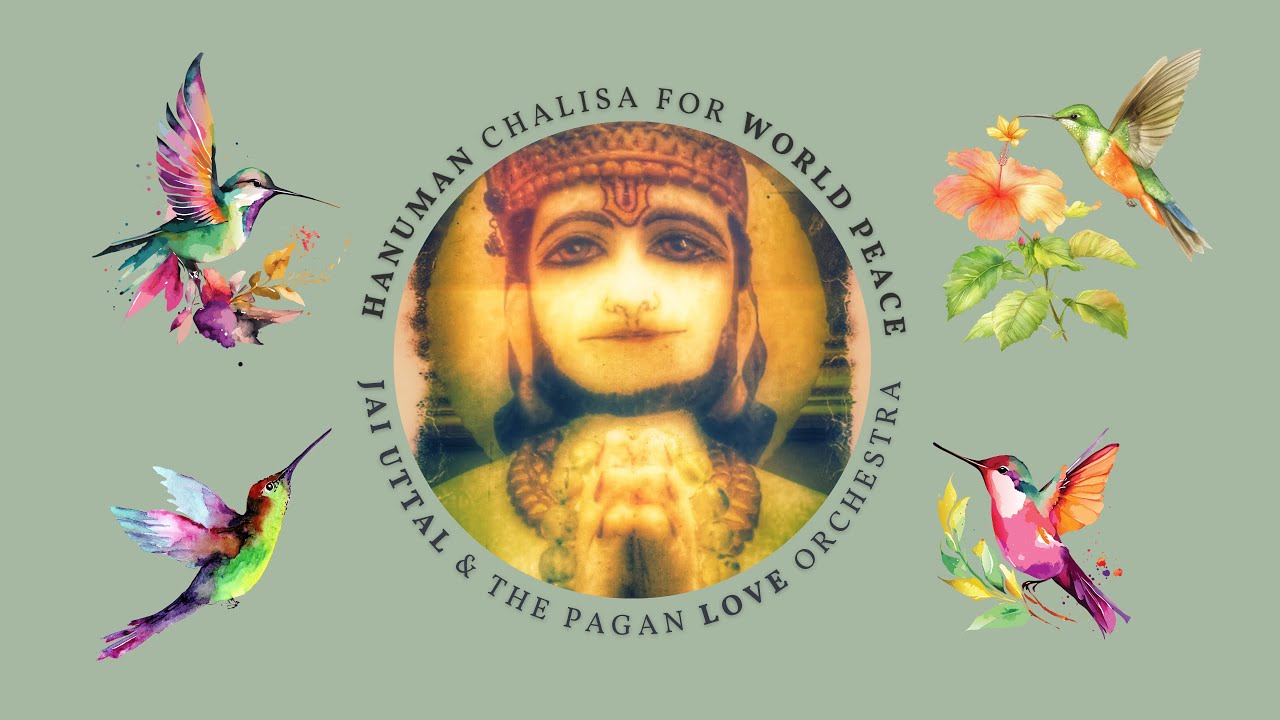
Jai Uttal
AuthorJai Uttal

American kirtan singer, multi-instrumentalist, and pioneer of devotional sound in the West — one of the central figures, alongside Krishna Das, Snatam Kaur, and Deva Premal, in the…

View profileWebsite
Explore Topics
Devotional-musicMantra-chantingSpiritual-surrenderKirtanOm-namah-shivaya

Got Questions?

Frequently Asked Questions

Om Namah Shivaya translates to "I bow to Shiva" or "divine consciousness dwells within me." In the song, it serves as the spiritual answer to the cry for freedom, anchoring the plea in an invocation of the divine principle already present within the seeker. The mantra appears after each verse of longing, suggesting that freedom is accessed through recognition and reverence rather than through effort alone.
The train carrying the blue soul and red mind represents the separation between one's spiritual essence and conditioned consciousness. Both travel in the same direction yet carry different frequencies—pointing to the common human experience where the soul yearns for one thing while the mind, shaped by fear and habit, pulls toward another. The song acknowledges this split as a central spiritual reality requiring integration.
In devotional practice, crying is an active form of prayer and communion with the sacred. When Uttal sings "down on my knees crying for freedom," the tears are not passive lamentation but an authentic expression that dissolves the boundary between interior feeling and spiritual invocation, transforming emotion into a direct channel to the divine.
The swans making love in a lake of blood represent the paradox of human existence: beauty, love, and creation persist within a world pervaded by suffering. The image suggests that spiritual freedom does not mean escaping pain but developing the capacity to love, create, and connect even while embedded in sorrow, with "heaven looking on" as witness to this profound coexistence.
The opening lines about reversed time and incomprehensible land establish the spiritual crisis from which the song emerges—a state of profound not-knowing. Beginning with honest confusion rather than answers makes the plea for freedom an existential necessity rather than an intellectual desire, and creates the emotional ground from which authentic devotion can arise.
In the song, kneeling and begging represent a paradoxical freedom—liberation from the pretense of control or self-sufficiency through radical honesty and vulnerability. Surrender is not weakness but the doorway to recognizing the divine presence already within, as affirmed by the mantra Om Namah Shivaya that resolves each verse of longing.

Continue Reading

More from Jai

View All
How the Bauls of Bengal Broke My Sky: A Musician's Search
Featured

How the Bauls of Bengal Broke My Sky: A Musician's Search

A chance encounter on a dirt path in West Bengal led to a musical awakening. Jai Uttal traces how the outcasts of Bengali culture transforme…

1 min read
Hanuman Chalisa for World Peace: Ancient Chant for Modern Times
Featured

Hanuman Chalisa for World Peace: Ancient Chant for Modern Times

Jai Uttal leads a devotional rendering of the Hanuman Chalisa, a 40-verse Sanskrit hymn invoking strength, clarity, and peace through kirtan…

1 min read
Yemaya Reimagined: Ocean Goddess Chant Unites Voices
Featured

Yemaya Reimagined: Ocean Goddess Chant Unites Voices

A new duet celebrating the Yoruba ocean goddess brings together two voices in a healing chant born from serendipitous meeting in Costa Rica.…

1 min read
Ocean Goddess Rising: Two Voices Reimagine Yemaya
Featured

Ocean Goddess Rising: Two Voices Reimagine Yemaya

Deva Premal and Ajeet unite in a devotional collaboration honoring Yemaya, the Yoruba ocean goddess, recorded in Costa Rica with arbutar acc…

1 min read

Keep exploring

Continue your journey

More wisdom and gatherings from across the BrightStar directory.

More Articles

Browse the full library of teachings, interviews, and guides.

Back to all articles →

Teachers & Artists

Explore the lineages, musicians, and guides of the conscious world.

Explore artists →

Find an Event

Kirtan, retreats, sound baths, breathwork, festivals — happening soon.

Browse events →