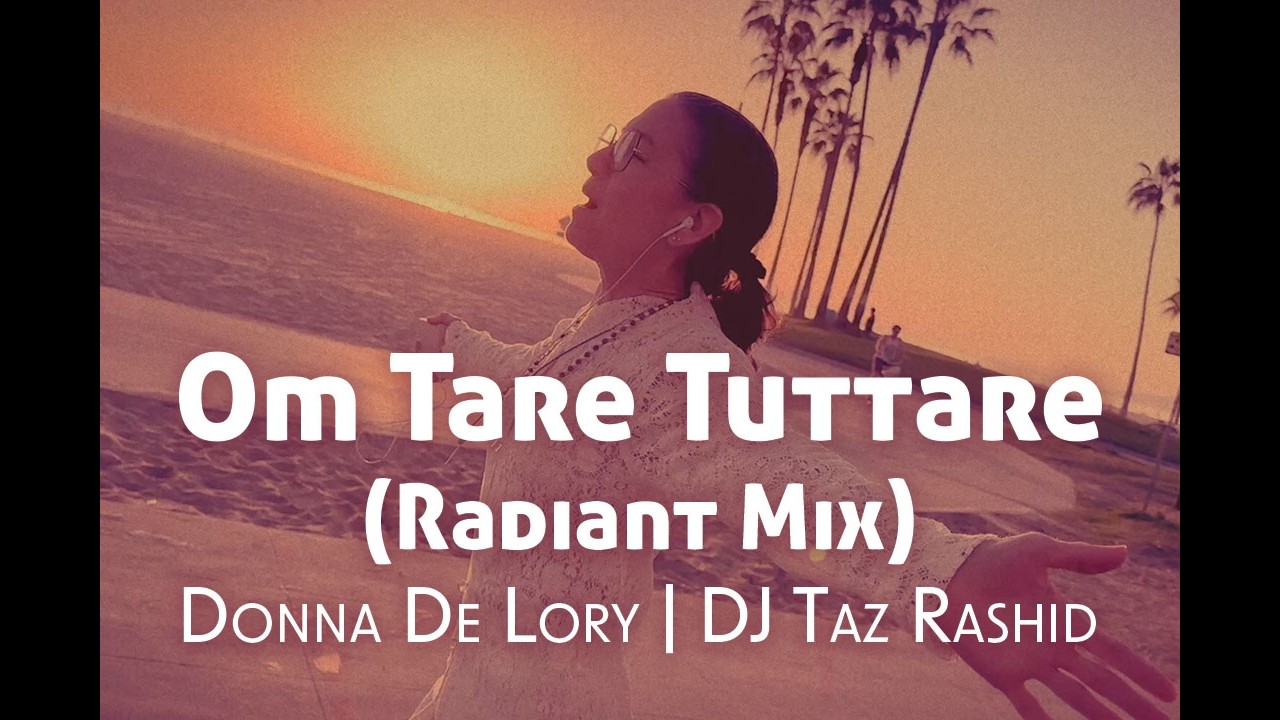
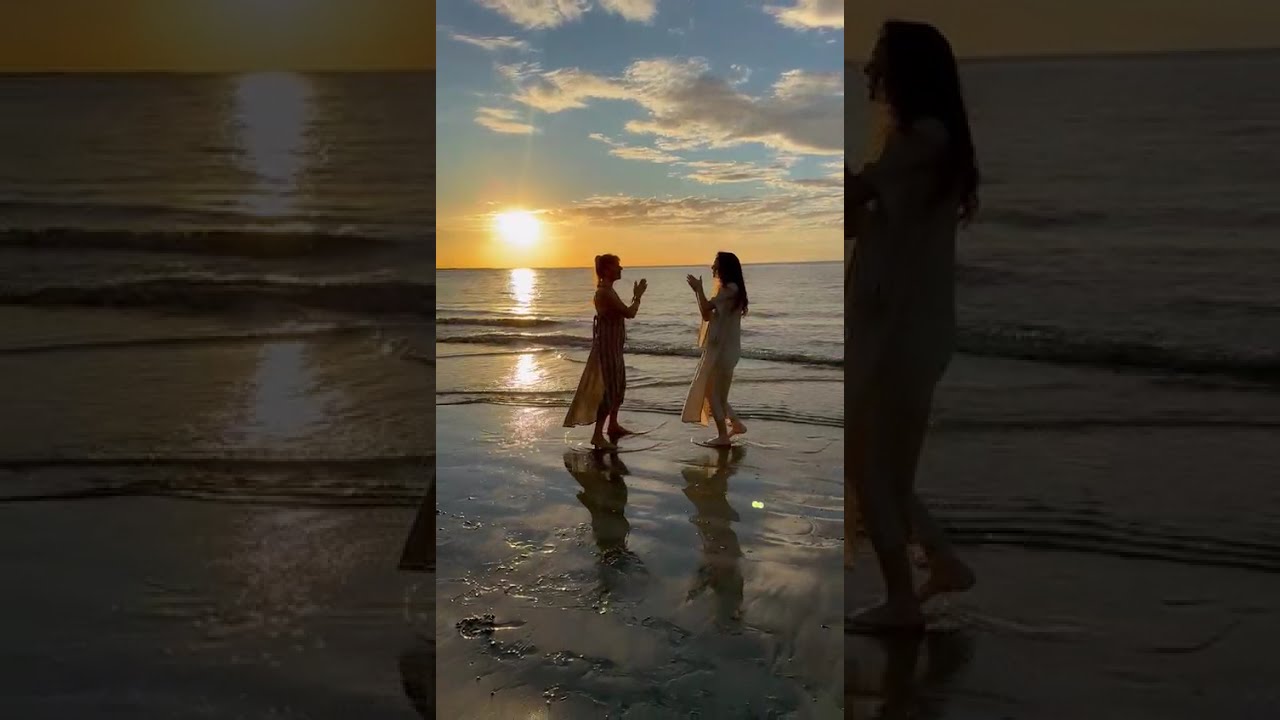
"Bathe In These Waters" is a devotional sacred song by kirtan artist and spiritual vocalist Donna De Lory from her 2012 album Sanctuary. The piece invites listeners into contemplative spiritual practice through the imagery of ritual cleansing and renewal, using melody and sacred sound as vehicles for inner transformation and connection to the divine.
Who Is Donna De Lory and What Is Her Musical Practice?
Donna De Lory is an acclaimed devotional vocalist and kirtan artist known for creating emotionally resonant sacred music that draws from Hindu, yoga, and contemporary spiritual traditions. Her work bridges traditional chanting practices with modern production and composition, making spiritual sound accessible to contemporary listeners. As a touring artist and recording musician, De Lory has become a recognized voice in the kirtan and spiritual music movement—a practice rooted in call-and-response chanting and devotional singing traditions.
Her albums, including Sanctuary, are designed as spaces for listeners to engage in their own spiritual practice, whether through active singing along or receptive listening during meditation or contemplative periods. De Lory's approach treats music not merely as entertainment but as a tool for inner work and connection to something greater than oneself.
What Does "Bathe In These Waters" Invite the Listener To Experience?
The title itself carries rich metaphorical weight. Water in spiritual traditions across cultures symbolizes purification, renewal, and the dissolution of boundaries between self and source. To "bathe" suggests immersion—not a surface engagement but a full soaking in something sacred and cleansing. This song invites listeners into an experience of spiritual immersion, using the metaphor of sacred waters to describe the process of releasing what no longer serves and opening to spiritual renewal.
In the context of devotional practice, listening to or singing with "Bathe In These Waters" becomes a ritual act. The voice—whether the listener's own voice or De Lory's—becomes a vehicle for intention and transformation. The repetitive nature of devotional music creates a meditative state that quiets the thinking mind and allows deeper layers of consciousness to surface. The song functions as an anchor for attention, drawing awareness away from daily concerns and toward an experience of sanctuary—a term that appears in the album's title itself.
How Does Sacred Sound Work as a Tool for Spiritual Practice?
Kirtan and devotional music operate on the principle that sound itself carries healing and transformative properties. This concept, known in Sanskrit as nada yoga or "the yoga of sound," suggests that certain frequencies, rhythms, and combinations of sound can affect consciousness directly. When we engage with sacred music—whether we understand the language or cultural context—our nervous systems respond. The repetition of melody and the focus required to follow or sing the music naturally quiets the discursive mind.
Donna De Lory's work is characterized by emotional openness and accessibility. Rather than requiring listeners to know Sanskrit or understand complex theological frameworks, her compositions invite people to feel their way into spiritual experience through music. The voice is an instrument unlike any other—it originates from within the body, so singing or hearing singing creates a felt sense of participation rather than passive consumption.
What Is the Album "Sanctuary" and How Does This Song Fit Within It?
Sanctuary is a curated collection of devotional music designed to create a sacred container for spiritual practice. The album's concept suggests that music itself can be a refuge—a space set apart from ordinary time and concerns where deeper work becomes possible. "Bathe In These Waters" fits naturally within this framework as a song of cleansing and renewal. The water imagery suggests a washing away of what clouds spiritual clarity, allowing the listener to emerge from the practice with a sense of inner freshness and alignment.
For practitioners of yoga, meditation, or other contemplative disciplines, albums like Sanctuary serve functional roles in daily practice. They may accompany morning meditation, provide a soundtrack for yoga sessions, or create a contemplative atmosphere during personal reflection time. In this way, the music becomes integrated into the fabric of spiritual life rather than remaining a separate entertainment product.
What Are the Core Elements of Devotional Vocal Practice?
Devotional singing emphasizes quality of presence and emotional authenticity over technical perfection. The goal is not to impress but to express—to channel feeling and intention through the voice. This differs from secular vocal performance in important ways. A devotional singer focuses on resonance with meaning, on allowing the heart to direct the voice rather than the voice serving as a display of skill.
In Donna De Lory's performances and recordings, this emphasis on presence is evident. Her voice serves the material rather than positioning itself above it. This approach invites listeners to drop beneath the surface of enjoying "good singing" and instead enter into shared contemplative space. The listener is not watching a performance; they are being invited into practice itself.
How Can Listeners Engage with "Bathe In These Waters" in Their Own Practice?
There are multiple entry points for engagement. Those new to devotional music might listen receptively, using the song as background for meditation or yoga practice. The melody and rhythm create a container for attention without requiring prior knowledge or belief system alignment. The song works on an intuitive, feeling level.
Listeners who wish to go deeper might engage actively by singing along with the recording or learning the melody and lyrics well enough to sing without accompaniment. This transforms the experience from passive listening into embodied practice. When we sing, we move the sound through our own bodies and nervous systems, creating a more direct transformation. The repetition inherent in devotional music—the returning again and again to a central phrase or melody—gradually deepens our relationship to the material.
For those practicing yoga or meditation, "Bathe In These Waters" can punctuate practice—opening or closing a session, or providing a bridge from ordinary consciousness into meditative states. The song's use of water imagery makes it particularly suitable for practices aimed at cleansing or emotional clearing work.
Where to Go From Here
To deepen engagement with "Bathe In These Waters," listeners might explore the full Sanctuary album to understand how this song sits within a larger arc of spiritual music. Those drawn to devotional practice might investigate kirtan more broadly—seeking out live kirtan events in their communities or exploring other artists working within the tradition. For those interested in understanding the philosophy underlying such practices, resources on nada yoga, bhakti (devotional) practice, and the use of sound in meditation traditions offer rich context.
The most direct engagement remains simple: creating space in regular practice—whether meditation, yoga, or personal reflection—to listen to or sing with this material. Spiritual practice deepens through repetition and sincere engagement rather than intellectual understanding alone. "Bathe In These Waters" offers an invitation to immerse oneself in sacred sound, allowing the waters of devotion and renewal to do their work over time.